

In the high-stakes world of healthcare, staying organized isn’t just a preference—it’s a necessity. Nursing planner stickers offer a simple yet powerful way to manage the chaos of a clinical shift. By integrating these visual cues into your daily routine, you can streamline patient care, reduce mental clutter, and reclaim precious time. Whether you’re a seasoned RN or a nursing student, these stickers act as a second brain, ensuring nothing slips through the cracks.
The beauty of nursing planner stickers lies in their adaptability. They transform a standard planner into a customized command center for your shift. From medication schedules to patient handoffs, every critical detail finds its place. The Joint Commission emphasizes that organized documentation reduces clinical errors. This article explores seven concrete ways these stickers can revolutionize how you work, think, and care for your patients. We’ll dive deep into practical applications, real-life scenarios, and the subtle art of visual organization that makes these tools indispensable.
The Core Problem: Why Traditional Planning Fails Nurses
Before we explore solutions, it’s crucial to understand why typical planning methods fall short for nurses. The average shift is a whirlwind of competing priorities: medication administration, patient assessments, documentation, family communication, and emergency responses. A standard to-do list or generic planner simply cannot capture this dynamic environment. Nursing planner stickers address this gap by providing pre-designed, context-specific visual elements that match the rhythm of clinical work.
Traditional planners rely on writing everything from scratch. This is time-consuming and prone to error during high-stress moments. When you’re rushing to administer a critical medication, you don’t have time to draw a pill icon. With nursing planner stickers, you simply peel and place. This instant visual recognition speeds up your workflow. Your brain processes images 60,000 times faster than text, so a small pill sticker immediately signals “medication due” without reading a single word.
Furthermore, the lack of standardization in personal planning creates inconsistency. One day you might use symbols, the next day abbreviations. This inconsistency leads to confusion, especially during shift changes. Nursing planner stickers offer a consistent visual language that you and your colleagues can understand at a glance. This shared vocabulary reduces miscommunication and enhances patient safety—the ultimate goal of any nursing tool.
1. The Mental Load of Shift Work
Nurses carry an immense cognitive burden. You’re constantly juggling patient data, prioritizing tasks, and anticipating changes. This mental load contributes to burnout and compassion fatigue. Nursing planner stickers act as external memory storage. By offloading information onto visual cues, you free up mental bandwidth for critical thinking and patient interaction. Instead of trying to remember if Mrs. Johnson’s blood sugar check is due at 10 AM or 11 AM, you simply glance at your planner and see the designated sticker.
Research in cognitive psychology supports this approach. The “cognitive offloading” theory suggests that using physical or digital tools to store information improves performance and reduces stress. For nurses, this is a game-changer. When your planner visually represents your entire shift, you can enter each patient room with a clear mind, focused entirely on the person in front of you, not the list of tasks in your head. Nursing planner stickers become your silent partner, handling the administrative details while you handle the human ones.
2. Why Generic Stickers Don’t Work
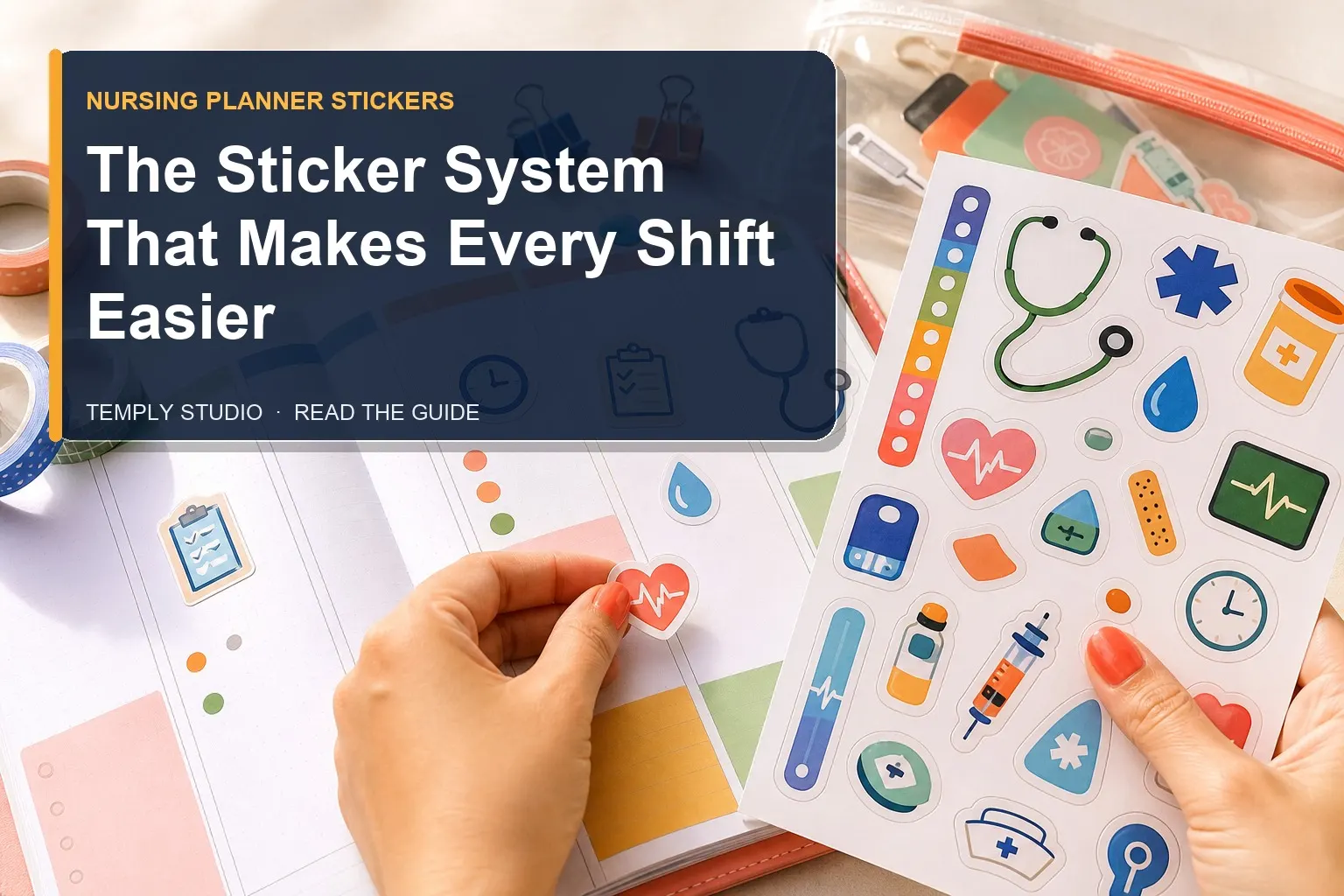
You might be tempted to use generic planner stickers from a craft store. Don’t. These stickers are designed for appointments, birthdays, and grocery lists. They lack the specific icons and terminology nurses need. A generic “heart” sticker doesn’t convey “cardiac assessment due.” A generic “clock” sticker doesn’t indicate “IV drip rate check.” Nursing planner stickers are purpose-built for clinical environments. They include icons for medications, vital signs, wound care, lab draws, and patient handoffs.
Moreover, generic stickers often have inappropriate designs. They might be too large for hourly time slots or use fonts that are hard to read in low light. Nursing planner stickers are designed with practicality in mind. They fit neatly into hourly or half-hourly planner layouts, use high-contrast colors for quick scanning, and include clear, unambiguous symbols. This attention to detail makes them superior tools for the demanding nursing environment.
How to Choose the Right Nursing Planner Stickers
Selecting the perfect set of nursing planner stickers requires careful consideration. Not all sticker sets are created equal. You need to evaluate factors like material quality, design clarity, and variety. The right set will seamlessly integrate into your workflow without adding complexity. The wrong set will become clutter you ignore. Let’s break down the key criteria to help you make an informed choice.
First, consider the material. Premium vinyl stickers are water-resistant and durable. They won’t smudge if you accidentally spill coffee or hand sanitizer on your planner. Paper stickers are more affordable but less resilient. For a busy nurse, durability matters. You’ll be flipping through your planner dozens of times per shift. Stickers that peel off or fade are useless. Nursing planner stickers made from high-quality vinyl with a matte finish are ideal—they’re easy to write on with ballpoint pens and resist wear and tear.
Second, evaluate the design system. Look for stickers that use intuitive icons and color coding. For example, red stickers for urgent meds, blue for routine vitals, and green for patient education. This color system allows you to scan your day at a glance. The best nursing planner stickers come with a legend or key that explains the color and icon meanings. This is especially helpful if you’re sharing your system with colleagues or precepting new nurses.
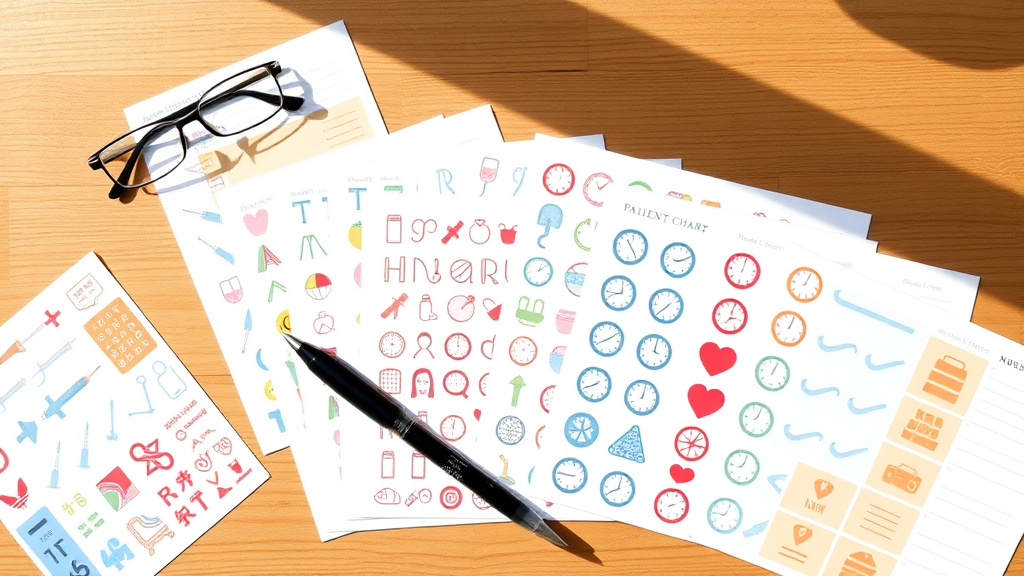
1. Material Quality and Durability
The material of your nursing planner stickers directly impacts their usability. Vinyl stickers with a permanent adhesive are best for planners you carry daily. They stick firmly but can be removed without tearing the page. Avoid stickers with weak adhesive that curl at the edges. In a clinical setting, your planner might get bumped, dropped, or exposed to moisture. Durable stickers survive these conditions and remain readable throughout your shift.
Another material consideration is writability. Some glossy stickers repel ink, making it difficult to add handwritten notes. Matte finish stickers accept pen ink cleanly. This is crucial because you’ll often need to write specific times, patient names, or dosage adjustments on the stickers. The best nursing planner stickers have a slight texture that grips ink without smudging. Test a sample sheet before committing to a large set to ensure compatibility with your preferred pen.
2. Icon Clarity and Variety
The icons on your nursing planner stickers must be instantly recognizable. A syringe icon should clearly represent medication administration. A heartbeat line should represent cardiac monitoring. Avoid sticker sets with ambiguous or overly stylized icons. The goal is speed of recognition, not artistic expression. Look for sets that include at least 50-100 unique icons covering common nursing tasks: meds, vitals, labs, assessments, procedures, patient education, and communication.
Variety is also important. Your shift is unpredictable. You might need a sticker for “blood transfusion” one day and “wound culture” the next. A comprehensive set of nursing planner stickers anticipates these needs. Some brands offer themed packs like “Med-Surg Essentials” or “ICU Must-Haves.” Choose a set that matches your specialty. If you work in pediatrics, look for stickers with child-friendly icons. If you’re in the ER, prioritize stickers for rapid assessment and triage.
Setting Up Your Nursing Planner with Stickers
Once you’ve selected your nursing planner stickers, the next step is setting up your planner for maximum efficiency. This process involves creating a layout that matches your shift structure. Whether you work 8-hour, 12-hour, or rotating shifts, your planner should reflect your unique schedule. The goal is to create a visual map of your day that you can follow without conscious effort.
Start by choosing a planner with an hourly layout. Hourly columns allow you to place stickers in specific time slots. For a 12-hour shift, you need a planner that spans from 7 AM to 7 PM (or your relevant hours). Some nurses prefer a vertical layout with time on the left and tasks on the right. Others prefer a horizontal layout with time across the top. Experiment to find what works for you. The key is consistency—once you establish a layout, stick with it.
Next, establish a color coding system. Assign colors to categories: red for urgent medications, blue for routine vitals, green for patient education, yellow for lab draws, and orange for procedures. Place the corresponding nursing planner stickers in the appropriate time slots. For example, if Mr. Chen needs insulin at 8 AM, place a red medication sticker in the 8 AM slot. If Ms. Patel needs a wound dressing change at 10 AM, place an orange procedure sticker there.
1. Creating a Pre-Shift Setup Routine
Before your shift begins, spend 10-15 minutes setting up your planner. This pre-shift routine is critical for success. Review your patient assignment and identify all scheduled tasks. Then, systematically place nursing planner stickers for every known event: medication times, vital sign checks, lab draws, consultations, and patient education sessions. This proactive approach ensures you start your shift with a clear roadmap, reducing anxiety and increasing confidence.
During this setup, also add stickers for “float” tasks—activities that aren’t time-specific but must be done during the shift. These might include “chart review,” “family update call,” or “stock supply cart.” Place these in a “miscellaneous” column or at the bottom of the page. As you complete them, you can physically check them off. This visual progress tracking is deeply satisfying and motivates you to stay on task. Nursing planner stickers make this process tactile and engaging, turning planning from a chore into a ritual.
2. Adapting to Real-Time Changes
No shift goes exactly as planned. Patients deteriorate, emergencies arise, and schedules shift. Your planner must be flexible enough to accommodate these changes. Nursing planner stickers are designed for easy repositioning. If a medication is delayed, simply peel the sticker and move it to a later time slot. If a new patient is admitted, grab a “new admission” sticker and add it to your layout. This adaptability is what makes stickers superior to permanent ink.
Keep a small supply of extra stickers in your pocket or bag. A mini sticker book or a few sticker sheets stored in your planner’s back pocket ensures you’re always prepared. When a change occurs, you can immediately update your visual plan without disrupting your workflow. This real-time adaptability reduces stress and helps you maintain control even during chaotic moments. Nursing planner stickers become your anchor in the storm.
Advanced Techniques for Sticker Mastery
Once you’ve mastered the basics, you can explore advanced techniques that elevate your planning to the next level. These methods leverage the full potential of nursing planner stickers to create a sophisticated system for managing complex patient loads. Think of it as moving from a basic to-do list to a full-fledged command center for your clinical day.
One advanced technique is “layering.” Use multiple stickers to represent complex tasks. For example, a medication sticker combined with a “lab draw” sticker indicates that you need to draw blood before administering a drug. A “patient education” sticker layered over a “discharge planning” sticker signals that you need to teach about home care before discharge. This layering creates a rich visual language that conveys nuanced instructions at a glance.
Another technique is “tracking.” Use stickers to monitor recurring tasks over multiple days. For example, a “wound care” sticker placed on each day of the week allows you to track healing progress. A “pain assessment” sticker placed at consistent times helps you identify patterns. Nursing planner stickers can serve as data collection tools, helping you spot trends and communicate them during handoffs.
1. Color Coding for Cognitive Efficiency
Color coding is more than just aesthetic—it’s a cognitive tool. Your brain processes color faster than text or shape. By assigning specific colors to task categories, you can scan your planner and instantly understand your priorities. For nursing planner stickers, a standard color system might be: Red (urgent/critical), Blue (scheduled medications), Green (patient assessments), Yellow (lab work), Orange (procedures), Purple (patient education), and Pink (communication/phone calls).
Implement this system consistently. When you see a red sticker, your brain automatically triggers a “high priority” response. When you see a green sticker, you know it’s a routine assessment. This instant categorization reduces decision fatigue. You don’t need to read text to understand what needs to happen next. Nursing planner stickers designed with this color logic in mind are far more effective than random assortments. Invest in a set that follows a logical color scheme.
2. Using Stickers for Patient Handoffs
Patient handoffs are high-risk moments for miscommunication. Nursing planner stickers can dramatically improve the accuracy and efficiency of these transitions. During your shift, use stickers to document key events. For example, a “code blue” sticker indicates a resuscitation event. A “fall risk” sticker highlights a safety concern. A “family conference” sticker notes a significant conversation. At handoff, you can literally show the incoming nurse your planner, allowing them to see your entire shift at a glance.
This visual handoff is faster and more reliable than verbal reports alone. The incoming nurse can scan the stickers and immediately grasp the patient’s status, pending tasks, and critical events. This reduces the risk of missed information and enhances continuity of care. Some hospitals have even adopted sticker-based handoff systems as part of their quality improvement initiatives. Nursing planner stickers are not just for personal organization—they’re a patient safety tool.
Digital Alternatives vs. Physical Stickers
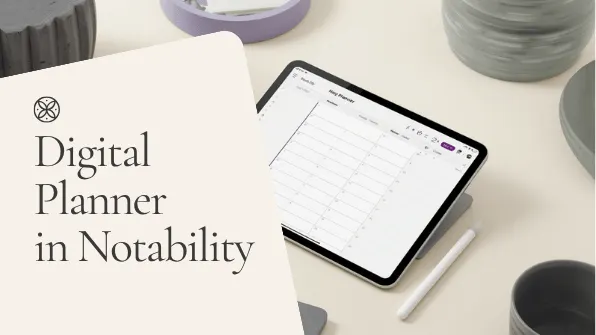
In an increasingly digital world, you might wonder whether physical nursing planner stickers are still relevant. The answer is a resounding yes. While digital tools like GoodNotes and Notability offer sticker functionality, physical stickers provide unique benefits that digital versions cannot replicate. Understanding these differences helps you choose the right medium for your workflow.
Physical stickers offer tactile satisfaction. The act of peeling a sticker and placing it in your planner creates a physical connection to your tasks. This kinesthetic engagement enhances memory retention. Studies show that handwriting and physical manipulation improve learning and recall compared to typing. For nurses who need to remember complex patient information, this tactile element is invaluable. Nursing planner stickers engage multiple senses, making your planning more effective.
Digital stickers, however, offer advantages in portability and searchability. You can carry thousands of stickers on a tablet without bulk. You can also search for specific stickers by keyword. For nurses who prefer digital planning, combining digital nursing planner stickers with an app like GoodNotes offers a powerful hybrid solution. You can use digital stickers for initial planning and physical stickers for on-the-go adjustments. The best approach is to experiment and find what fits your workflow.
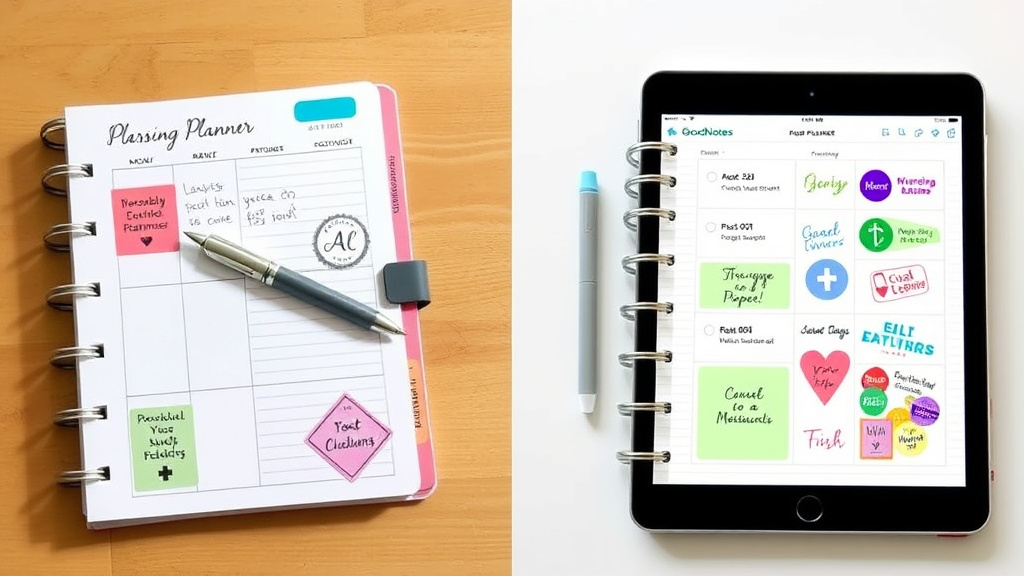
1. The Case for Physical Stickers
Physical nursing planner stickers excel in environments where screens are impractical. In a busy hospital unit, pulling out a tablet might be cumbersome or even prohibited in certain areas. A small planner fits in your pocket or scrub top. You can quickly flip it open, glance at your stickers, and return to patient care. There’s no battery to charge, no app to update, no screen glare. Physical stickers are always ready, always visible.
Furthermore, physical stickers create a permanent record. At the end of your shift, your planner shows exactly what happened and when. This documentation can be useful for incident reports, performance reviews, or personal reflection. Digital stickers, depending on the app, might be deleted or lost. For nurses who value a tangible archive of their work, physical nursing planner stickers are the clear choice.
2. The Case for Digital Stickers
Digital nursing planner stickers shine in their flexibility. You can resize, recolor, and reposition them infinitely without wasting physical materials. If you make a mistake, you simply undo. Digital stickers also integrate with other digital tools. You can link a sticker to a patient’s electronic health record or set reminders for tasks. For tech-savvy nurses, this integration can streamline workflow significantly.
Additionally, digital planners are searchable. If you need to find every instance of “insulin administration” from the past week, you can search your digital planner instantly. This is impossible with physical stickers. For nurses who need to analyze patterns or prepare detailed reports, digital nursing planner stickers offer superior data management. The choice ultimately depends on your personal preferences and clinical environment.
Where to Find High-Quality Nursing Planner Stickers
Not all nursing planner stickers are created equal. Finding a reliable source for high-quality, clinically relevant stickers is essential. Many online marketplaces offer printable sticker sheets that you can download and print at home. Others sell pre-printed sticker books delivered to your door. Temply Studio offers a curated selection of nursing planner stickers designed specifically for clinical workflows, with icons that match real nursing tasks.
When shopping, look for sets that include a variety of categories: medications, vital signs, lab work, procedures, patient education, and communication. The best sets also include blank stickers for custom tasks. Avoid sets with too many decorative elements that add visual clutter. Functionality should be your primary concern. Nursing planner stickers should enhance your planning, not distract from it.
Consider the format. Some nurses prefer sticker sheets organized by category, while others prefer mixed sheets for variety. Some brands offer sticker books with hundreds of stickers organized in a compact book format. Temply Studio’s nursing planner stickers come in both formats, allowing you to choose what fits your workflow. Read reviews from other nurses to gauge quality and usability before purchasing.
1. Printable vs. Pre-Printed Stickers
Printable nursing planner stickers offer maximum customization. You can print exactly the stickers you need, in the quantities you need, on your preferred paper. This is cost-effective for nurses who want to experiment with different designs. However, printable stickers require access to a printer and sticker paper. The quality depends on your printer and paper. Low-quality prints may smudge or fade.
Pre-printed stickers, like those from Temply Studio, offer professional quality. They are printed on premium vinyl with durable adhesive and fade-resistant inks. The designs are tested for clarity and usability. Pre-printed stickers save you time—you don’t need to spend hours cutting and organizing. For busy nurses, the convenience of pre-printed nursing planner stickers often justifies the higher cost.
2. Temply Studio’s Nursing Planner Sticker Collection
Temply Studio’s nursing planner stickers are designed by healthcare professionals who understand the unique demands of clinical work. Each sticker set includes over 100 unique icons covering every aspect of nursing care. The stickers use a consistent color coding system that aligns with standard nursing priorities. The material is matte vinyl that accepts pen ink cleanly and resists wear.
Our collection includes specialty packs for med-surg, ICU, pediatrics, and emergency nursing. We also offer blank stickers for custom tasks and a comprehensive legend sheet that explains every icon. Nursing planner stickers from Temply Studio are available as digital downloads for instant access or as pre-printed sticker books shipped to your door. We’re committed to helping nurses organize their shifts with confidence and style.
Conclusion: Elevate Your Practice with Stickers
Nursing planner stickers are more than a trend—they’re a practical tool that can transform your clinical practice. By providing instant visual cues, reducing cognitive load, and enhancing communication, these stickers help you work smarter, not harder. Whether you choose physical or digital versions, the key is consistent use. Start small, experiment with different systems, and refine your approach over time.
At Temply Studio, we believe that beautiful organization leads to better care. Our nursing planner essentials collection includes everything you need to set up your perfect system. From sticker sheets to complete planner layouts, we’ve designed our products to support your demanding schedule. Don’t let another chaotic shift overwhelm you. Take control with nursing planner stickers that work as hard as you do.
Ready to revolutionize your planning? Explore our digital nursing planner options for a hybrid approach that combines the best of both worlds. Your patients deserve your full attention—let your planner handle the details.
Frequently Asked Questions About Nursing Planner Stickers
Can I use nursing planner stickers in a digital planner like GoodNotes?
Yes, absolutely. Many nurses use digital nursing planner stickers in apps like GoodNotes, Notability, and Noteshelf. Digital stickers offer the same visual benefits as physical ones, plus the ability to resize, recolor, and search. Temply Studio provides digital sticker files compatible with popular planning apps.
How do I prevent my nursing planner stickers from falling off?
Choose high-quality vinyl stickers with permanent adhesive. Apply them to clean, dry planner pages. Avoid touching the adhesive side with oily fingers. If you’re using a glossy planner cover, consider using a matte page protector to improve adhesion. Premium nursing planner stickers from reputable brands stay put even with daily use.
What size planner works best for nursing stickers?
Most nursing planner stickers are designed for standard A5 or personal-size planners (5.8 x 8.3 inches). This size fits comfortably in scrub pockets and provides enough space for hourly layouts. Mini planners are too small for detailed sticker systems, while A4 planners may be too bulky for clinical settings.
Can I reuse nursing planner stickers?
Most stickers are designed for single use. Removing and reapplying them reduces adhesive strength. However, some repositionable stickers allow limited reuse. For best results, place stickers once and use removable notes for temporary adjustments. Invest in a comprehensive set of nursing planner stickers so you always have enough for your needs.
Related Nursing Planner Guides
Explore the planning format that best fits your clinical, academic, or weekly workflow:
Temply Studio
Stop chasing your goals with sticky notes and scattered notebooks. Our premium digital planners and Canva templates are designed to help you plan with intention, stay consistent, and actually enjoy the process.