




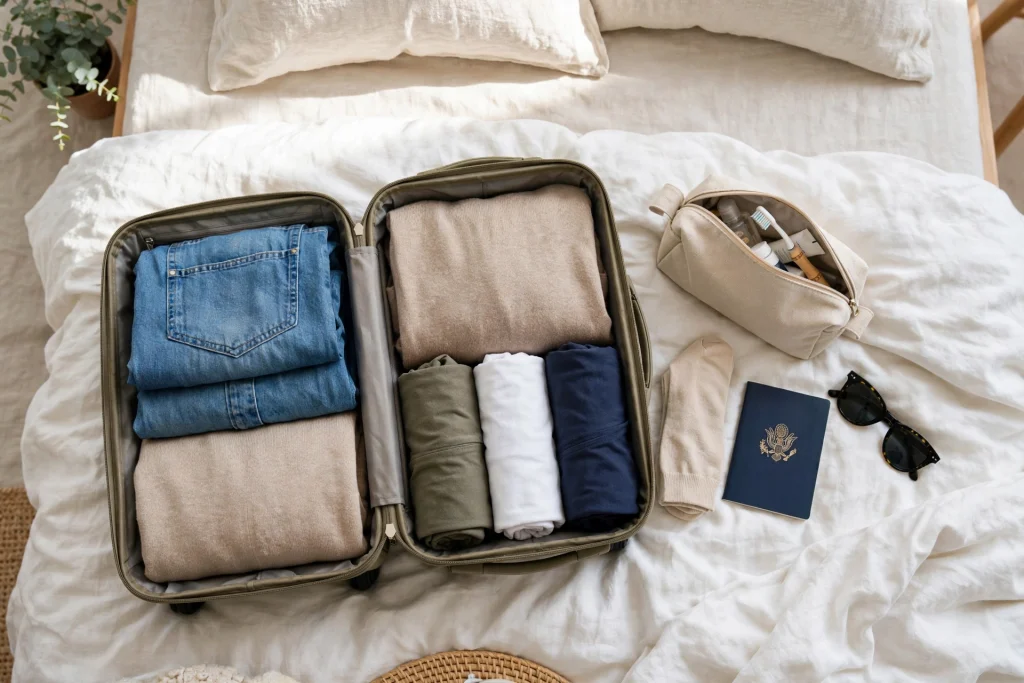
Why You Need a Travel Packing Checklist
Forgetting something important on a trip is a universal experience — the phone charger left on the nightstand, the medication still in the medicine cabinet, the swimsuit hanging dry at home. A travel packing checklist exists to make sure that never happens again. It turns packing from a stressful memory exercise into a calm, methodical process where every item gets packed because it was on the list, not because you remembered it at the last second.
The real magic of a checklist is not just remembering things — it is not packing things. Overpacking is the other classic travel mistake: a suitcase bursting with “just in case” outfits you never wear, lugging weight you pay for in sore shoulders and baggage fees. A good checklist helps you pack deliberately, so you bring what you need and leave the rest behind.
Below is a complete, room-by-room packing system plus carry-on essentials and printable-list tips. Use it as-is for your next trip, or adapt it into your own reusable template.
The Ultimate Travel Packing Checklist
Work through this list one section at a time. Tick items off as they go into the bag — that ticking-off motion is the whole point of the system.
Documents and Money
- Passport or ID (check expiration dates well before the trip)
- Boarding passes, hotel confirmations, and itinerary printouts or screenshots
- Credit cards and a small amount of local cash
- Travel insurance details
- Emergency contacts written down separately from your phone
Clothing (the 5-4-3-2-1 Framework)
A simple packing formula that prevents overpacking: for a week-long trip, aim for roughly 5 tops, 4 bottoms, 3 pairs of shoes, 2 layers, and 1 hat — adjusted for your climate and activities. Choose pieces that mix and match in a neutral color palette so every top works with every bottom.
- Tops and shirts (mix casual and one dressier option)
- Bottoms — pants, shorts, or skirts
- One layer for warmth (sweater, fleece, or light jacket)
- Rain protection or windbreaker if the forecast is uncertain
- Underwear and socks for each day plus one spare set
- Sleepwear
- Comfortable walking shoes, sandals or flip-flops, and one pair for nicer occasions
- Swimsuit and cover-up if relevant
- Workout clothes if you plan to exercise
Toiletries and Health
- Toothbrush, toothpaste, and floss
- Shampoo, conditioner, and soap (or solid bars to skip the liquid limits)
- Deodorant, razor, and basic skincare
- Sunscreen and insect repellent for outdoor trips
- Prescription medications in original containers, plus a few extra days’ supply
- Basic first-aid: bandages, pain relievers, allergy medicine, motion-sickness tablets
- Glasses, contacts, and solution
Electronics
- Phone and charger — this is the most-forgotten item on every list
- Portable power bank
- Headphones or earbuds
- Laptop or tablet and charger, if needed
- Camera and memory cards
- Universal travel adapter for international trips
- E-reader loaded with books
Carry-On Essentials
Your carry-on is your survival kit. If checked luggage goes missing, everything on this list keeps your trip comfortable anyway:
- Documents, wallet, and phone (never check these)
- Medications you need within the next 24 hours
- A change of clothes and basic toiletries in travel sizes
- Snacks and an empty water bottle to fill after security
- Entertainment: book, headphones, downloaded shows
- A light layer — planes and airports run cold
- Travel pillow and eye mask for long flights
Extras Worth Considering
- Laundry bag to separate dirty clothes
- Packing cubes to organize and compress clothing
- A small daypack or foldable tote for excursions
- Ziplock bags for wet items, snacks, and organization
- A travel umbrella
- A notebook or travel journal
Room-by-Room Packing Tips
Instead of packing from memory, pack by location. Walk through your home mentally — or literally — and collect what you need from each room. This method catches the things your brain skips.
Start with the bathroom
Toiletries are the most commonly forgotten category because we use them right up until departure. Pack them the night before and leave out only what you need in the morning, then add those last items before you leave. Better yet, keep a pre-packed toiletry kit with travel-size duplicates so packing it is a one-step grab.
Then the bedroom and closet
Lay outfits out on the bed before they go in the bag. This single step prevents most overpacking, because seeing everything at once makes the duplicates obvious. Remove at least two items before you start packing — you will not miss them, and your bag will close easily.
Then the office and entryway
Chargers, adapters, documents, headphones, and travel pillows live in drawers and closets that are easy to overlook. Do a final sweep of your desk, nightstand, and entryway hooks right before you zip the bag. The phone charger check deserves its own moment: plug in your phone the night before, and in the morning, the charger goes in the bag first.
How to Pack Like a Pro: 7 Smart Strategies
- Roll, don’t fold. Rolling clothes saves space and reduces wrinkles for most casual fabrics. Fold only structured items like blazers.
- Use packing cubes. Cubes keep categories separated, compress soft items, and make repacking mid-trip dramatically easier.
- Wear your bulkiest items. Heavy shoes, jackets, and boots go on your body, not in your bag.
- Follow the capsule rule. If an item does not match at least three other things in your bag, leave it home.
- Plan for laundry, not for the whole trip. For trips longer than a week, plan to do laundry once instead of packing fourteen outfits. A travel-size detergent packet weighs almost nothing.
- Leave empty space. Aim to pack your bag about 80 percent full. You will want room for souvenirs, and an overstuffed bag is miserable to repack.
- Weigh your bag at home. A bathroom scale check before you leave avoids surprise overweight-bag fees at the counter.
Packing for Different Trip Types
The core checklist covers most trips, but a few adjustments help for specific adventures.
Beach vacations: Add extra sunscreen, aloe, a beach bag, water shoes, and a waterproof phone pouch. Most beach destinations have laundry options, so pack light on clothes.
City breaks: Prioritize comfortable walking shoes above everything else. A crossbody bag beats a backpack for security and convenience, and one nice outfit covers dinners out.
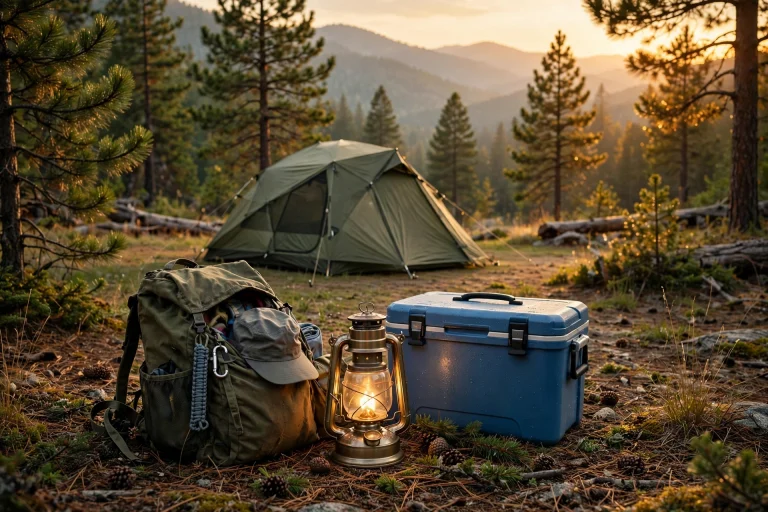
Outdoor adventures: Camping and hiking trips need specialized gear — a headlamp, a first-aid kit, layered clothing, and a route plan. An Outdoor Adventure Planner helps here, with itinerary pages, route maps, and schedule templates designed for nature trips where preparation matters most.
Business travel: Pack outfits as complete sets on hangers or in garment folders, bring one more shirt than you think you need, and keep a small kit with stain remover, a lint roller, and a sewing card.
Don’t Forget the Budget: Track Trip Spending
Packing is only half of trip preparation — the other half is money. Setting a trip budget before you leave keeps vacation spending joyful instead of stressful. A dedicated expense tracker helps you log flights, hotels, meals, and activities as you go, so you always know where you stand.
A Trip Expense Tracker is a printable, reusable template for logging every trip expense in one place. And if you are traveling with family or a group, the Travel Budget Planner is built for shared vacation costs, making it easy to split expenses and keep everyone on the same page.
Travel Packing Checklist FAQ
How early should I start packing?
Start your checklist a week before departure and begin packing two to three days before. Early packing lets you notice missing items while there is still time to buy or borrow them. Packing the night before works for short, familiar trips, but anything longer deserves a head start.
What is the biggest packing mistake travelers make?
Overpacking “just in case” items. Most travelers wear about half of what they pack. The capsule rule — every item matching at least three others — and laying outfits out on the bed before packing both fight this instinct effectively.
Should I check a bag or go carry-on only?
Carry-on only is faster, cheaper, and eliminates lost-luggage risk, and it is realistic for trips up to about a week if you pack deliberately and plan laundry for longer stays. Check a bag when you need bulky gear, lots of liquids, or formal outfits that travel better flat.
How do I keep a packing checklist reusable?
Save a master list and duplicate it for each trip, deleting or adding trip-specific items. Digital and printable checklist templates work well for this: keep one clean copy, print or copy it per trip, and tick items off as you pack. Over time, your list becomes personalized to exactly how you travel.
What should always go in my personal item, not the overhead bin?
Anything you would be miserable without for 24 hours: documents, wallet, phone and charger, medications, a change of clothes, and valuables like cameras or jewelry. Checked and overhead bags can be delayed or gate-checked; your personal item stays with you.
Pack Smarter on Every Trip
A travel packing checklist turns the most stressful part of trip preparation into a calm routine: work the list section by section, tick items off as they go in the bag, and walk out the door confident that nothing important was left behind. Save your master list, refine it after each trip, and packing gets easier every time.
Ready for a stress-free departure? Browse all planners and templates and grab the checklists and budget planners that make every trip smoother from packing day to the flight home.
Temply Studio
Stop chasing your goals with sticky notes and scattered notebooks. Our premium digital planners and Canva templates are designed to help you plan with intention, stay consistent, and actually enjoy the process.

Questions about this guide?
Ask about the planner, share how you use it, or tell us what to cover next. Your email stays private.