




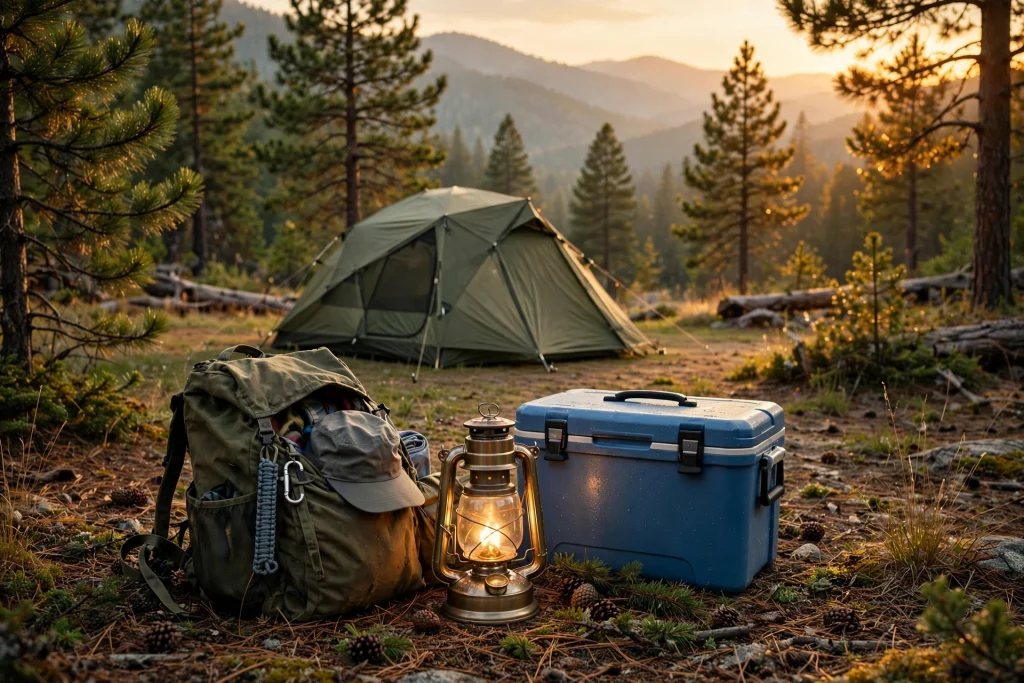
Nothing ruins a long-awaited weekend in the woods faster than arriving at the campsite and realizing the tent poles are still in your garage. A camping checklist is the difference between a trip you remember fondly and one you spend improvising with duct tape and regret. Whether you’re a first-timer or a seasoned camper, this ultimate camping checklist for 2026 covers every category — shelter, food, clothing, safety, and the small comforts that make a trip great.
Use it as your master packing list before every trip, customize it for your destination and season, and keep a copy in your planner so pre-trip chaos becomes a calm, check-it-off routine. Let’s make this your best camping year yet.
Why Every Camper Needs a Camping Checklist
Camping asks your brain to hold dozens of small details — gear, meals, medications, weather contingencies — while you’re also excited, rushed, and distracted. That’s exactly when things get forgotten. A written checklist does the remembering for you.
- Fewer forgotten essentials. Any camper can tell you: the one thing you forget is always the thing you need most, like the stove fuel or the rainfly.
- Faster packing. A checklist turns a frantic hour of wandering the house into a focused 20-minute assembly line.
- Better budgeting. When you know what you already own, you stop buying duplicate gear — or realize in time to borrow instead of buy.
- Safer trips. Safety gear — first aid, water purification, navigation — is easy to skip when you’re hurrying. A checklist makes it non-negotiable.
The Ultimate Camping Checklist: Every Category
Work through each category before your trip. Check items off as they’re packed, and note anything you borrowed so you remember to return it.
1. Shelter and Sleep
- Tent with all poles, stakes, and guylines (pitch it at home once a year to check for damage)
- Rainfly and footprint/groundsheet
- Sleeping bag rated for the expected low temperature
- Sleeping pad or air mattress plus repair kit
- Camp pillow (or a stuff sack filled with clothes)
- Extra blanket for cold nights
2. Camp Kitchen and Food
- Camp stove and full fuel canister, plus a backup lighter and matches
- Cookware: pot, pan, kettle — whatever your meal plan requires
- Utensils, plates or bowls, cups, and a sharp knife with cutting board
- Cooler with ice packs, plus dry food storage bins
- Food and snacks for every meal, planned by day (see meal planning below)
- Coffee or tea supplies — trust us, this one matters
- Dish soap, sponge, collapsible basin, and trash bags (leave no trace)
- Paper towels and aluminum foil
3. Clothing and Footwear
- Moisture-wicking base layers and insulating mid-layers
- Waterproof rain jacket, even if the forecast is clear
- Hiking boots or sturdy shoes, plus camp sandals
- Extra socks and underwear — more than you think you need
- Warm hat and sun hat, gloves if nights are cold
- Sleepwear kept dry and separate from day clothes
4. Safety, Navigation, and Tools
- First aid kit, restocked and including any personal medications
- Map and compass or a downloaded offline map — cell service is never guaranteed
- Headlamp plus a backup flashlight, with extra batteries
- Multi-tool or camp knife
- Water purification method: filter, tablets, or a plan for potable water
- Whistle, fire starters, and a small roll of duct tape
- Sunscreen and insect repellent
5. Hygiene and Personal Items
- Biodegradable soap, toothbrush and toothpaste
- Quick-dry towel
- Toilet paper and a trowel where facilities aren’t available
- Hand sanitizer
- Any daily medications, in their original containers
6. Comfort and Camp Extras
- Camp chairs and a folding table if you have the space
- Lantern for the picnic table
- Hammock for afternoon naps
- Books, cards, or a travel game for downtime
- Camera or journal for capturing the trip
- Portable charger for phones
How to Use Your Camping Checklist: 5 Steps
- Start two weeks out. Open your checklist and mark what you own, what needs replacing, and what you need to buy or borrow. Last-minute shopping trips are where budgets die.
- Plan meals by day. Write breakfast, lunch, dinner, and snacks for each day, then build your grocery list from the meal plan — not the other way around. Track the costs in a trip expense tracker so group trips stay fair and your budget stays visible.
- Check the weather three days before. Adjust clothing, shelter extras, and your rain plan. Add or remove layers from the checklist accordingly.
- Pack by category the night before. Lay everything out in piles by checklist section, check each off, then load the car. Loading by category keeps unpacking logical too.
- Do a campsite arrival check. Before the sun sets on day one, verify the essentials: shelter pitched, sleeping gear dry, food stored properly, and water available. Everything else can wait until morning.
5 Common Camping Packing Mistakes (and How to Avoid Them)
- Overpacking clothes, underpacking food. You need fewer outfits and more snacks than you think. Plan one base outfit per two days plus layers.
- Forgetting the “boring” consumables. Trash bags, dish soap, toilet paper, and batteries are the most-forgotten items on any camping checklist — because they’re unexciting, not because they’re unimportant.
- No rain plan. Even a 10% forecast deserves a packed rainfly, a tarp, and one indoor card game. Hope for sun; pack for weather.
- Skipping the test run. Pitch the tent, light the stove, inflate the sleeping pad at home. Discovering a broken zipper at the campsite at 9 p.m. is a rite of passage you can skip.
- Ignoring water logistics. Know before you go: is there potable water at the site, or do you need to carry and purify everything? Plan one gallon per person per day as a baseline.
Seasonal Adjustments to Your Camping Checklist
Your core camping checklist stays the same year-round, but seasons demand tweaks. In spring, add mud-ready footwear and an extra tarp for soggy ground. Summer calls for shade (a canopy or sun sail), extra water capacity, and serious sun protection. Fall is the sweet spot — add a warmer sleeping bag and a cozy camp blanket. Winter camping is a specialty of its own: four-season tent, sub-zero bag, insulated pad with a high R-value, and a stove that performs in the cold.
One more seasonal tip: print or save a fresh copy of your checklist per trip and annotate it. “Site had no water — brought 6 gallons, perfect” becomes next year’s wisdom.
Keep Your Trip Organized With a Camping Planner
A checklist gets you packed, but a planner gets you there — reservations, driving routes, meal plans, and shared costs all in one place. The Outdoor Adventure Planner helps you map itineraries, schedule each day of the trip, and organize nature excursions alongside your packing list. For group camping, money gets awkward fast: a travel expense tracker keeps shared groceries, campsite fees, and fuel split fairly without a single spreadsheet argument around the campfire.
Pairing your camping checklist with a dedicated planner turns trip prep from a stressful scramble into something you might actually enjoy — some campers say planning is half the fun.
FAQ: camping checklist
What are the absolute essentials on a camping checklist?
Shelter (tent, sleeping bag, pad), water and a purification method, food and a way to cook it, appropriate clothing with rain protection, a first aid kit, navigation, and a light source. Everything else is comfort — welcome, but optional.
How far in advance should I start packing for a camping trip?
Start your checklist review two weeks out for gear and reservations, do the grocery shop 2–3 days before, and pack the night before departure. Never pack morning-of unless you enjoy discovering forgotten items at the trailhead.
What do most beginners forget on a camping checklist?
The top forgotten items are tent stakes and poles, a can opener or lighter, enough water, trash bags, and a headlamp. Beginners also consistently underestimate how cold nights get — always pack one layer warmer than the forecast suggests.
How much water should I bring camping?
Plan for about one gallon (roughly 4 liters) per person per day for drinking and cooking, more in hot weather or at altitude. If the site has no potable water, carry it all plus a purification backup.
Can I use one camping checklist for car camping and backpacking?
Use the same master list, then ruthlessly trim for backpacking: every item must justify its weight. Car camping is the time to bring the chairs, the cooler, and the camp kitchen — backpacking is the time to leave them home.
Your best trip yet starts with a list, not a lucky guess. Work through this camping checklist before every outing, annotate it with what worked, and it will get sharper every season. Ready to plan the whole adventure — packing, routes, meals, and budget — in one place? Explore the digital planner and template collection and make 2026 the year you never forget the tent poles again.
Temply Studio
Stop chasing your goals with sticky notes and scattered notebooks. Our premium digital planners and Canva templates are designed to help you plan with intention, stay consistent, and actually enjoy the process.
Questions about this guide?
Ask about the planner, share how you use it, or tell us what to cover next. Your email stays private.