




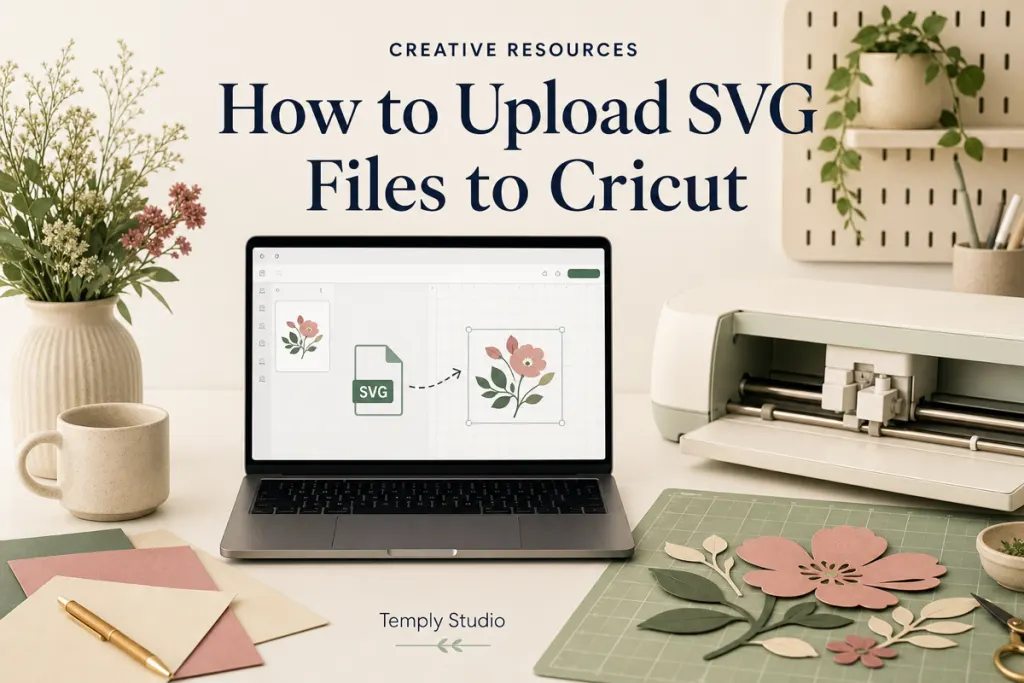
Quick answer: An SVG viewBox has four numbers: min-x, min-y, width and height. For example, viewBox="0 0 100 50" describes an internal coordinate rectangle from x=0 to 100 and y=0 to 50. These are user-space units, not a guaranteed cut size in millimetres or inches.
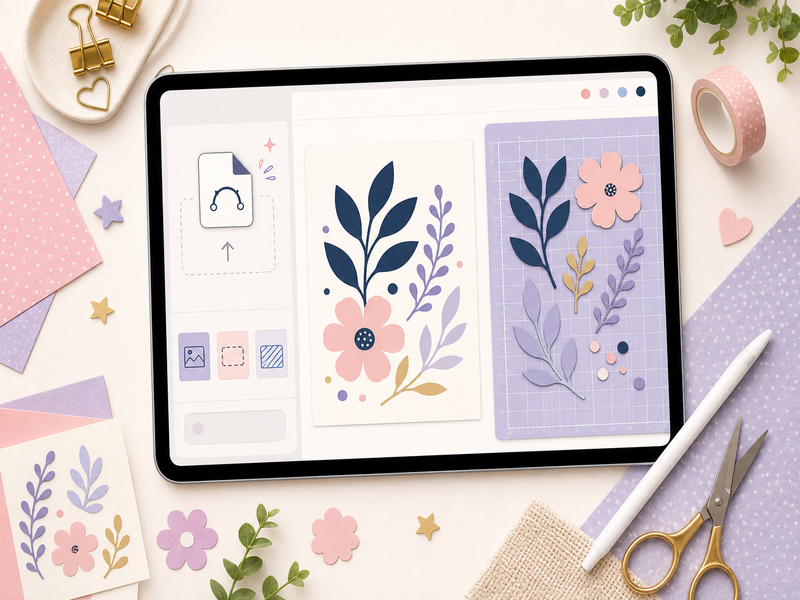
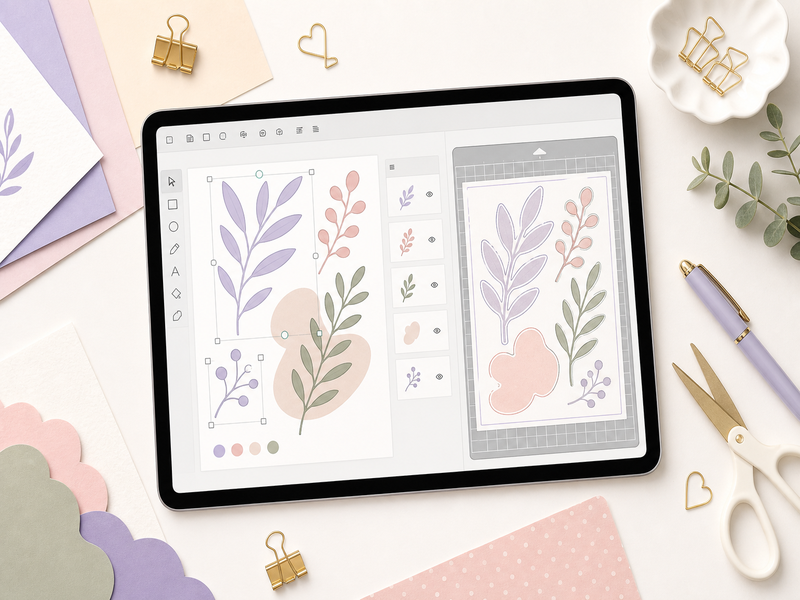
Keep an untouched SVG before editing. A viewBox affects how artwork maps into its viewport; it does not establish blade settings, material suitability or permission to sell a design.
What to decide before you begin
Before you begin, choose the specific example below and keep any original file or record intact. Keep an untouched SVG before editing. A viewBox affects how artwork maps into its viewport; it does not establish blade settings, material suitability or permission to sell a design.
- What is the next action after this page or file is complete?
- Which details must be visible without extra clicking or searching?
- What source copy, permissions, or original file must be preserved?
- Which file, page or record will you check after completing this workflow?
Step-by-step workflow
- 1. Duplicate the SVG and inspect the opening svg element in an SVG editor or text editor. Work on the copy, not the only download.
- 2. Find viewBox and read its four values in order: min-x, min-y, width, height. Width and height describe the internal coordinate area.
- 3. Worked example:
viewBox="0 0 100 50"is twice as wide as it is tall. A rectangle at x=10, y=10 with width=20 and height=10 sits inside that coordinate area. - 4. Compare the outer width/height and aspect ratio with the viewBox. An external width of 200 mm does not make each internal unit equal to 1 mm.
- 5. Open the copy in your target design app and inspect edges and proportions. If artwork clips, compare its bounds with the viewBox rather than changing numbers at random.
- 6. Save a named working version and check the physical dimensions in the cutting software before any material test. A correct on-screen viewBox is not a guaranteed physical cut.
Check the worked example before repeating the process: Save a named working version and check the physical dimensions in the cutting software before any material test. A correct on-screen viewBox is not a guaranteed physical cut.
Use a small checklist to protect quality
- The title, filename, and first instruction describe the same purpose.
- The important information is readable at the intended screen or paper size.
- The original or editable source is stored separately from the final export.
- Links, permissions, dimensions, formats, and stated compatibility are verified.
- Any third-party claim is linked to the relevant official documentation.
- The final version tells the next person what is included and what is not included.
Common mistakes to avoid
- Opening a file directly from a compressed archive and losing the source.
- Flattening layers before deciding how the design will be used.
- Resizing without checking aspect ratio or viewbox behavior.
- Assuming a preview guarantees the same physical cut.
- Mixing personal-use and commercial-use files without reading the license.
How this fits a reusable system
For the next review, keep the original record and a dated working version. Not by itself. It defines internal coordinates; the document viewport and the importing app’s size settings affect the displayed or physical size. Check the dimensions in the target software.
Continue with the SVG and Crafting hub, or review the related Temply Studio products and their individual file details before choosing a template.
For platform-specific details, consult W3C SVG Specification. Use the official source for current feature, file, licensing, or policy information instead of relying on an old screenshot or an unverified claim.
Frequently asked questions
Does viewBox set the finished cut size?
Not by itself. It defines internal coordinates; the document viewport and the importing app’s size settings affect the displayed or physical size. Check the dimensions in the target software.
Should I keep an editable source copy?
Keep the original file or record and a dated working copy. Save a named working version and check the physical dimensions in the cutting software before any material test. A correct on-screen viewBox is not a guaranteed physical cut.
What should I check before relying on the result?
Open the copy in your target design app and inspect edges and proportions. If artwork clips, compare its bounds with the viewBox rather than changing numbers at random.
What should I review next time?
Save a named working version and check the physical dimensions in the cutting software before any material test. A correct on-screen viewBox is not a guaranteed physical cut.
Conclusion
Start with the worked example above and adapt it to your own records. Not by itself. It defines internal coordinates; the document viewport and the importing app’s size settings affect the displayed or physical size. Check the dimensions in the target software. Review individual product specifications before choosing a Temply Studio template; the workflow does not establish features in any specific product.
Related guide
Continue with the SVG & crafting guides, or read How to Use SVG Files with Cricut for another focused workflow.
Temply Studio
Stop chasing your goals with sticky notes and scattered notebooks. Our premium digital planners and Canva templates are designed to help you plan with intention, stay consistent, and actually enjoy the process.
Questions about this guide?
Ask about the planner, share how you use it, or tell us what to cover next. Your email stays private.