



Every nurse knows the chaos of rotating shifts, last-minute schedule changes, and the constant juggle between patient care and personal life. A nursing planner book isn’t just a notebook—it’s a lifeline that brings order to the unpredictable world of healthcare. Without a dedicated system, important tasks slip through the cracks, self-care gets pushed aside, and burnout becomes inevitable.
Whether you work twelve-hour night shifts or manage a busy clinic, a nursing planner book helps you reclaim control. It transforms scattered sticky notes and forgotten appointments into a streamlined workflow. This article explores seven powerful ways a nursing planner book can save your sanity, boost your productivity, and help you thrive both at work and at home.
Why a Nursing Planner Book Is Different from a Regular Planner
Standard planners assume a predictable nine-to-five routine. They have rigid hourly slots and weekend sections that make no sense for someone working three twelve-hour shifts in a row. A nursing planner book is designed specifically for the unique demands of healthcare professionals.
The biggest difference lies in the scheduling structure. Instead of Monday through Friday, a nursing planner book often uses a continuous weekly spread that accommodates rotating days off. It includes sections for tracking shift types—day, night, evening, or on-call—so you can quickly see your pattern at a glance. This prevents the mental gymnastics of trying to remember whether you work tomorrow or not.
Another key feature is the inclusion of health and wellness trackers. Nurses face higher rates of sleep deprivation, dehydration, and stress-related illnesses. According to WHO nursing resources, nurse wellbeing is critical to patient care quality. A nursing planner book typically has dedicated spaces for water intake, sleep hours, meal planning, and mood logging. These small but consistent check-ins help you catch warning signs of burnout before they escalate.
Built for Shift Work Chaos
Shift work disrupts your body’s natural circadian rhythm. A nursing planner book helps you manage this by providing separate sections for pre-shift preparation and post-shift recovery. You can plan your meals, set reminders for medication, and schedule power naps without relying on memory alone.
Many nurses also use their planner to track their menstrual cycle or chronic health conditions. Since shift work can amplify hormonal imbalances and fatigue, having a dedicated log helps you communicate more effectively with your healthcare provider. A nursing planner book becomes a personal health record that supports your long-term wellbeing.
Additionally, the layout often includes a “notes” column for handover details, patient assignments, or important codes. This eliminates the need for loose scraps of paper that get lost in scrub pockets. Everything lives in one place, making your nursing planner book the single source of truth for your professional and personal life.
1. Master Your Shift Schedule with Zero Overlap
The most obvious benefit of a nursing planner book is schedule management. But it goes beyond just writing down your shifts. A dedicated planner allows you to visualize your entire month, spot potential conflicts, and plan around them proactively.
Start by mapping out all your confirmed shifts for the month. Use color coding: blue for day shifts, black for nights, green for evenings, and red for on-call. This visual system makes it immediately clear when you have a stretch of multiple nights or a quick turnaround. You can then adjust your personal commitments accordingly.
Many nursing planner books include a monthly overview page followed by weekly spreads. Use the monthly view to mark holidays, birthdays, and important appointments. Then, in the weekly view, break down each day into pre-shift, during shift, and post-shift blocks. This level of detail prevents double-booking and reduces the anxiety of forgetting something important.
How to Handle Last-Minute Changes
Nursing schedules change constantly. Coworkers call in sick, patient loads shift, and management requests overtime. A nursing planner book that uses a pencil-friendly layout or digital format makes it easy to adjust without creating a mess.
If you use a physical planner, consider using erasable pens or sticky notes for shifts that are tentative. For digital versions, simply drag and drop. The key is to keep your planner updated in real time. Set aside five minutes at the end of each shift to review and revise the next few days.
Another strategy is to build buffer zones into your schedule. After a stretch of three night shifts, block out the following two days as “recovery time” in your nursing planner book. This protects your rest and prevents others from scheduling meetings or social events during your critical sleep hours.
2. Track Patient Care Details Without Losing Your Mind
Nurses juggle multiple patients, each with unique medications, allergies, and care plans. While hospital charts exist, having a personal nursing planner book allows you to keep quick reference notes that you can access anywhere—even during a quick break.
Create a dedicated patient log section in your planner. For each shift, list your assigned patients, their room numbers, and key details like diagnosis, medications due, and pending lab results. This cheat sheet helps you prioritize tasks and reduces the cognitive load of remembering everything.
Many experienced nurses also use their nursing planner book to jot down clinical pearls they learn from senior staff. A new wound care technique, a better way to position a patient, or a tip for starting IVs—all of these can be recorded and reviewed later. Over time, your planner becomes a personalized clinical handbook that grows with your experience.
Medication Administration Logs
Medication errors are a leading cause of adverse events in healthcare. A nursing planner book can serve as a secondary check system. Before administering any medication, you can quickly cross-reference the patient’s name, drug, dose, and time in your personal log.
This is especially helpful during busy shifts when you’re interrupted frequently. Having a written record reduces the chance of forgetting whether you already gave a dose. At the end of your shift, you can reconcile your personal log with the official chart to catch any discrepancies.
Some nursing planner books come with pre-printed medication tracking tables. If yours doesn’t, you can easily create a simple template using columns for time, patient initials, medication, dose, and your initials. This small habit can literally save lives.
3. Set and Crush Your Professional Goals
Nursing is a demanding profession that requires continuous learning. Whether you’re studying for the NCLEX, pursuing a specialty certification, or working toward a promotion, a nursing planner book helps you break down big goals into manageable steps.
Start by identifying one or two major professional goals for the year. Write them in the front of your planner where you’ll see them daily. Then, use monthly and weekly spreads to schedule specific actions. For example, if you’re studying for the CCRN exam, block out two hours every Tuesday and Thursday for focused study time.
Tracking progress is just as important as planning. Use a habit tracker in your nursing planner book to mark each study session, practice test, or skill lab you complete. Seeing a streak of green checkmarks motivates you to keep going, even when you’re exhausted after a long shift.
Building a Portfolio for Career Advancement
Your nursing planner book can also serve as a career portfolio organizer. Dedicate a section to record continuing education credits, conferences attended, and leadership roles you’ve taken on. When it’s time to update your resume or apply for a new position, you’ll have all the information at your fingertips.
Include space for self-reflection after each major milestone. What did you learn from that code blue? How did you handle a difficult family conversation? These reflections become powerful talking points during interviews and performance reviews.
A nursing planner book that includes goal-setting prompts can guide you through this process. For example, you might use the SMART goals framework—Specific, Measurable, Achievable, Relevant, Time-bound—to structure your ambitions. This approach turns vague wishes into actionable plans.
4. Prevent Burnout with Intentional Self-Care Tracking
Burnout is an epidemic in nursing. Long hours, emotional stress, and lack of support take a heavy toll. A nursing planner book can be your first line of defense by making self-care a non-negotiable part of your routine.
Include a daily self-care checklist in your planner. Items might include: drink 8 glasses of water, eat a balanced meal, stretch for 5 minutes, meditate for 10 minutes, and get 7 hours of sleep. Check off each item as you complete it. On days when you’re too tired to think, the checklist guides you toward basic self-preservation.
Many nursing planner books also have mood and energy trackers. At the end of each shift, rate your stress level on a scale of 1 to 10 and jot down one thing that went well. Over time, patterns emerge. You might notice that night shifts consistently lower your mood, or that certain coworkers trigger more stress. This awareness empowers you to make changes.

The Power of Gratitude and Reflection
Gratitude journaling might sound cheesy, but it’s backed by science. Writing down three things you’re grateful for each day rewires your brain to focus on positives rather than negatives. In a nursing planner book, you can combine gratitude with clinical reflection.
For example, after a difficult shift where you lost a patient, you might write: “I’m grateful I was able to hold their hand during their final moments. I learned that silence can be more comforting than words.” This practice helps you process emotions and find meaning in challenging experiences.
Set aside five minutes before bed to complete your gratitude and reflection entry. Over months, you’ll build a beautiful record of resilience and growth. Your nursing planner book becomes a testament to your strength as a caregiver.
5. Organize Your Personal Life Around Shift Work
Nurses often feel like they’re living in a different world from their friends and family. A nursing planner book bridges that gap by helping you coordinate personal commitments with your unpredictable schedule.
Use the monthly view to mark all your days off. Then, plan social activities, doctor’s appointments, and household chores around those blocks. If you have a stretch of three days off, designate one day for errands, one for socializing, and one for pure rest. This structure prevents you from wasting precious time off.
Include a section for meal planning. Shift work makes it tempting to rely on fast food and vending machines. But with a nursing planner book, you can plan and prep meals for the week. List ingredients, prep steps, and which meals are for work versus home. This saves money, improves nutrition, and reduces decision fatigue.
Managing Relationships with a Non-Traditional Schedule
Romantic relationships, friendships, and family bonds suffer when schedules don’t align. A nursing planner book helps you proactively schedule quality time. Write down date nights, phone calls with parents, or playdates with your kids. Treat these entries as seriously as your shifts.
Communicate your schedule clearly to loved ones. Share a photo of your weekly spread so they know when you’re free. Some nursing planner books even have a “shareable” version or digital export feature that makes this easy.
Remember to schedule time for yourself too. Solo hobbies, exercise, and relaxation are not selfish—they’re essential. Your nursing planner book should include blocks for “me time” that are protected from work and family demands.
6. Streamline Handover and Shift Reports
Effective handover is critical for patient safety. But in the chaos of shift change, important details can be missed. A nursing planner book gives you a structured format for organizing handover notes.
Create a handover template with sections for: patient name, room number, diagnosis, pending tasks, critical vitals, and follow-up needed. During your shift, update this template in real time. When it’s time for handover, you have a complete, organized summary ready to go.
This practice also helps you during your shift. Instead of relying on memory, you can quickly check your nursing planner book to see what’s pending. It reduces stress and prevents tasks from falling through the cracks.
Building a Personal Reference Library
Over time, your nursing planner book becomes a repository of clinical wisdom. You can add pages for common lab values, medication dosages, emergency protocols, and contact information for key departments. This personalized reference is faster than searching a computer or asking a colleague.
Consider adding a section for “lessons learned.” After a challenging case, write down what went well and what you’d do differently. These entries are invaluable for future reference and for mentoring new nurses.
A well-maintained nursing planner book can even help you prepare for certification exams. Reviewing your clinical notes and reflections reinforces learning and identifies knowledge gaps.
7. Save Money by Reducing Impulse Purchases
Shift work often leads to poor financial decisions. Tired nurses buy expensive coffee, takeout, and convenience items. A nursing planner book helps you track spending and plan ahead.
Include a simple budget tracker in your planner. List your fixed expenses, then allocate money for groceries, gas, and entertainment. Use the weekly spread to plan meals and pack snacks for work. When you have a plan, you’re less likely to make impulsive purchases.
Many nursing planner books also have a section for tracking overtime and shift differentials. Use this to calculate your expected paycheck and set savings goals. Seeing your earnings in writing can motivate you to pick up extra shifts or invest in continuing education.
Tracking Side Hustles and Extra Income
Many nurses supplement their income with per diem work, private duty shifts, or teaching. A nursing planner book can track these additional gigs separately from your main job. Record hours, rates, and payment dates to ensure you’re paid correctly.
If you’re a travel nurse, your planner becomes even more critical. Track housing costs, travel reimbursements, and contract details. Having everything organized reduces stress and maximizes your earnings.
Financial wellness is a key component of overall wellbeing. By using a nursing planner book to manage your money, you reduce one more source of anxiety in an already demanding life.
How to Choose the Perfect Nursing Planner Book
Not all planners are created equal. When selecting a nursing planner book, consider your specific needs. Do you prefer a physical notebook or a digital version that syncs across devices? Do you need pre-printed templates, or do you prefer a blank layout?
Look for features like: a monthly calendar with large date boxes, weekly spreads with hourly breakdowns, dedicated space for patient notes, wellness trackers, and goal-setting prompts. The best nursing planner book will have a durable cover, lay-flat binding, and high-quality paper that doesn’t bleed through.
Digital options offer flexibility. You can easily duplicate templates, add links, and share with colleagues. Many nurses use a combination—a digital planner for scheduling and a physical notebook for journaling and reflection.
Why Temply Studio’s Templates Work for Nurses
At Temply Studio, we understand the unique demands of nursing. Our digital planner templates are designed with shift workers in mind. They include all the features mentioned above—monthly and weekly views, patient logs, wellness trackers, and goal sections—all beautifully designed and fully customizable in Canva.
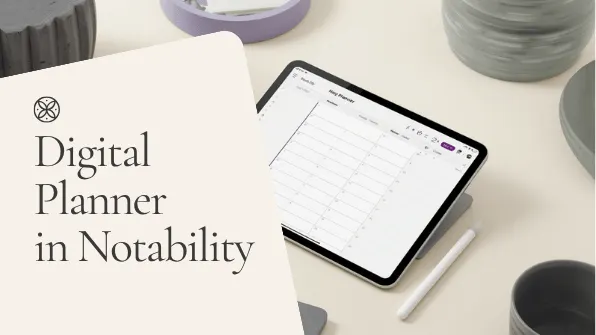
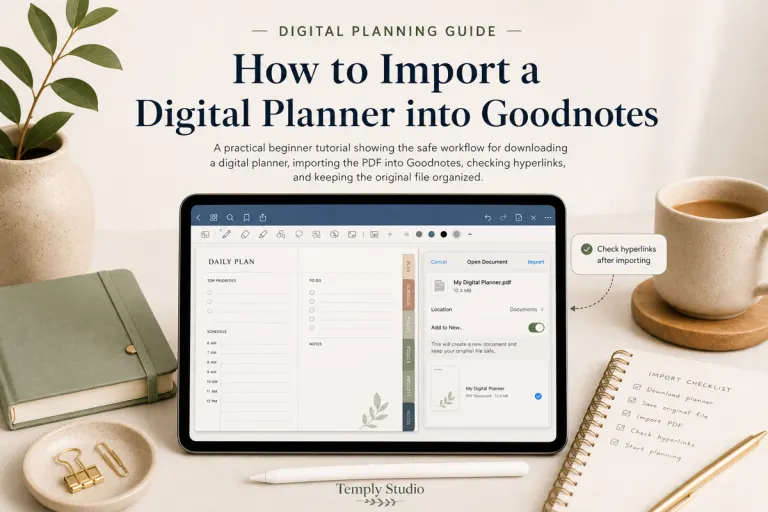
Our nursing planner book templates are hyperlinked for easy navigation. Tap a date to jump to that week. Click a section header to go directly to your patient log. This saves precious time during busy shifts. Plus, you can use them on any device: iPad, tablet, laptop, or even printed out.
We also offer SVG bundles for creating your own physical planner stickers. Customize your nursing planner book with icons for medications, procedures, and shift types. Make it truly yours.
Conclusion: Take Control of Your Nursing Life Today
A nursing planner book is more than a scheduling tool—it’s a comprehensive system for managing your career, health, finances, and relationships. The seven benefits we’ve explored show how this simple habit can dramatically improve your quality of life. From mastering your shift schedule to preventing burnout, the right planner makes all the difference.
You don’t have to settle for chaos. Whether you choose a physical notebook or a digital template, the key is consistency. Start small: commit to using your nursing planner book for just one week. Track your shifts, jot down one patient note per day, and check off your self-care items. You’ll be amazed at how much calmer and more organized you feel.
Temply Studio offers a range of digital planner templates specifically designed for healthcare professionals. Our nurse shift planner templates include everything you need to get started. Download one today and experience the difference a dedicated nursing planner book can make.

Frequently Asked Questions About Nursing Planner Books
What should be included in a nursing planner book?
A comprehensive nursing planner book should include a monthly calendar, weekly spreads with shift tracking, patient note sections, medication logs, wellness trackers (sleep, water, mood), goal-setting pages, and space for reflection. Additional features like budget trackers and CEU logs are helpful for career growth.
Can I use a digital nursing planner book on my phone?
Yes, most digital nursing planner books are compatible with apps like GoodNotes, Notability, and Noteshelf, which work on phones, tablets, and laptops. However, the larger screen of an iPad or tablet is recommended for easy navigation and note-taking during shifts.
How often should I update my nursing planner book?
Ideally, update your nursing planner book daily. Spend five minutes at the start of your shift to review the day’s schedule and patient assignments. At the end of your shift, log any important notes and update your wellness trackers. Weekly reviews help you plan ahead and adjust goals.
Where can I find free nursing planner book templates?
Temply Studio offers affordable, high-quality digital planner templates designed for nurses. While we don’t offer free versions, our templates are reasonably priced and include all the features mentioned in this article. You can customize them in Canva to match your personal style. For a completely free option, you can create your own layout using a blank notebook and our suggested sections.
Is a physical or digital nursing planner book better?
Both have advantages. Physical planners offer a tactile experience and don’t require batteries. Digital planners are searchable, easily duplicated, and sync across devices. Many nurses use both—a digital planner for scheduling and a physical notebook for journaling. Choose based on your workflow and preferences.
Related Nursing Planner Guides
Explore the planning format that best fits your clinical, academic, or weekly workflow:
Temply Studio
Stop chasing your goals with sticky notes and scattered notebooks. Our premium digital planners and Canva templates are designed to help you plan with intention, stay consistent, and actually enjoy the process.