




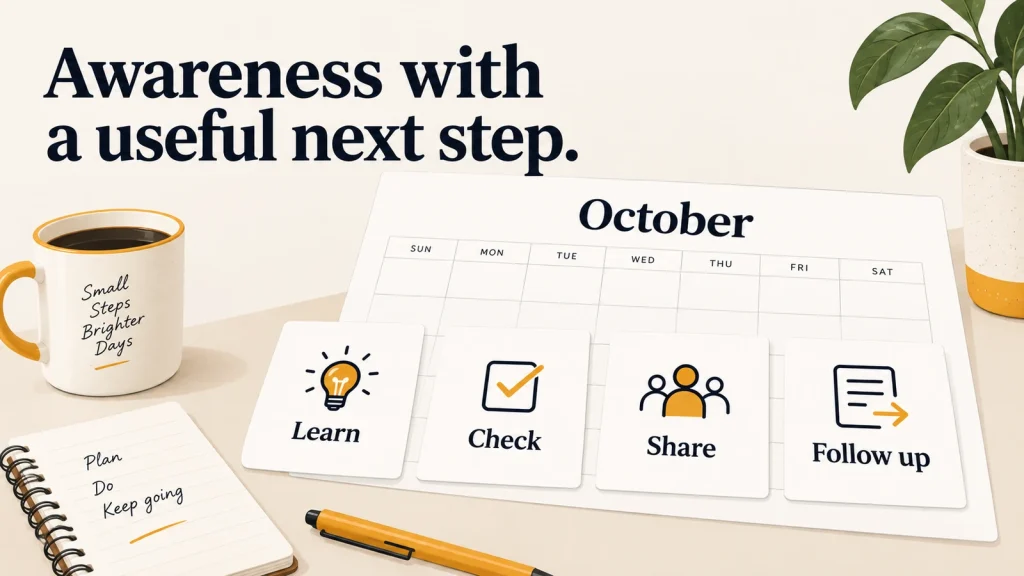
ADHD Awareness Month takes place in October. A useful way to participate is to share a reliable resource, listen without pressuring anyone to disclose a diagnosis, and choose one practical action you can follow through on. ADDA identifies October as the observance on its awareness page.
This is an evergreen planning guide, not an official campaign calendar. It does not announce a 2026 theme, event date, membership offer, or affiliation between Temply Studio and the campaign organisers. Check the organiser’s current, dated information before sharing year-specific material.
Quick answer: ADHD Awareness Month takes place in October. Plan a small, sourced activity, check the current year’s event details and respect consent and access needs.
Table of Contents
What ADHD Awareness Month is for
Organizer pages can combine general information with year-specific event dates, campaign themes, or membership terms. ADDA’s current awareness page illustrates why those details need a fresh check before sharing. For medical background, use the NIMH adult ADHD overview instead of treating campaign material as individual health advice.
You can contribute without presenting yourself as an expert. Choose a small role: connect someone to a source, make a resource easier to use, ask what would make an activity more accessible, or review a communication practice you control.
Awareness does not require a public personal story. Someone can participate privately, decline to participate, or ask that their experience not become content for a workplace or social-media campaign.
Use sources differently from stories and suggestions
A responsible post makes it clear what kind of information it contains. A health fact, a personal experience, and a proposed organizing activity should not be presented as interchangeable.
| Type of material | How to present it | What not to imply |
|---|---|---|
| Health information | Name and link the relevant authoritative source | That a short post can diagnose the reader |
| Personal experience | Use the person’s chosen wording and agreed context | That one story represents everyone with ADHD |
| Practical suggestion | Label it as an optional idea to try | That an untested planning method treats ADHD |
| Event information | Link the organiser’s current registration details | That an old calendar entry confirms this year’s availability |
For a concise medical background source, use the NIMH adult ADHD overview. Paraphrase only what it supports, keep important qualifications, and direct individual health questions to qualified care.
Check the year before sharing a theme or event
Campaign pages and search results can display different years. A resource may remain useful even when the event banner attached to it is old. That does not make its registration date, promotion, or theme current.
Before reposting a graphic, check the year in the page content, the organiser’s name, the destination link, and any deadline. If those details are missing or conflicting, share an evergreen source instead of inventing an update.
For this guide, the verified recurring fact is the October observance. Year-specific themes, calendars, and offers are intentionally left to the organising organisations. Temply Studio’s planning examples below are not an official campaign toolkit.
Choose one audience and one useful outcome
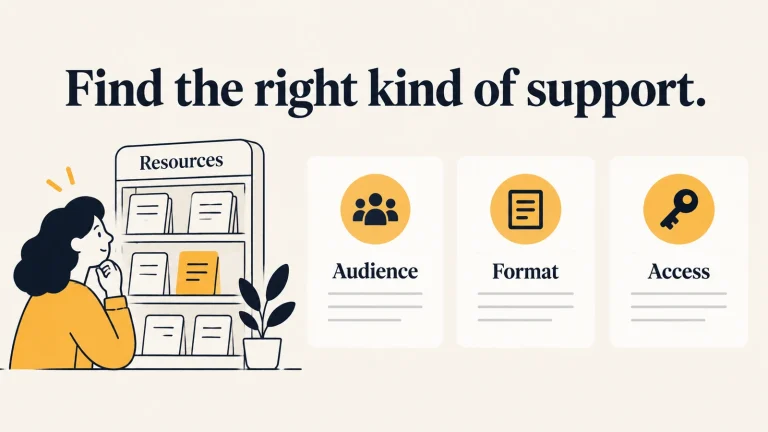
A message for colleagues may need a different format from a resource shared with friends or a public community page. Name the audience before deciding how much information to include.
Then choose an outcome within your control. “Create a short source list that readers can open without an account” is observable. “Make everyone understand ADHD” is too broad to evaluate and can encourage overconfident claims.
Temply Studio’s goal-setting workflow can help turn an awareness idea into a bounded task. It is a general planning resource, not evidence that a campaign will change attitudes or health outcomes.
An optional four-part October plan
The following sequence is an original planning suggestion. You can do one part, combine them, or spread them across the month. It is not a required schedule or a clinical programme.
| Part | Small action | Useful completion check |
|---|---|---|
| Learn | Read one authoritative source relevant to your audience | You can identify the source and its main limitation |
| Check | Review an existing message, resource, or process you control | Unsupported claims and unclear directions are identified |
| Share | Publish or send one accurate, accessible resource after permission checks | The link works and the audience can use the format |
| Follow up | Review questions or practical access problems | There is an owner for any agreed next action |
A smaller plan can be more honest about your available time. Choosing a single useful resource is preferable to filling a calendar with repetitive posts you cannot fact-check.
For creators: build a source note before the caption
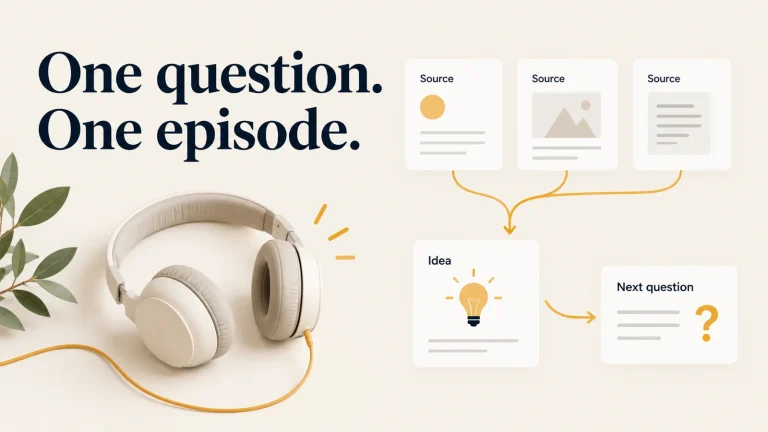
Before drafting a post, record the claim, its supporting page, the date you checked it, and any limitations. Write the caption from that note rather than collecting striking sentences from unrelated accounts.
Use a working question such as, “What would a reader reasonably conclude from this sentence?” If the sentence could imply a diagnosis, a treatment promise, or a universal personality trait, revise it.
A content-creation planning workflow can hold the draft, source check, approval, and publishing step. It should not store someone’s private diagnosis or personal story unless they have agreed to that use and the storage is appropriate.
A fictional example: a community resource board
Imagine a volunteer team wants to acknowledge October without running a health event. The team decides to post a short reading list with two official resources and a note explaining who the material is for.
One volunteer checks links and publication context. Another reviews readability and provides the text beside the graphic. The team does not ask attendees to identify who has ADHD, collect symptom scores, or promise to answer individual treatment questions.
At the end of the month, the team checks whether the resource links still work and whether a clearer format was requested. This is a modest access-and-information project, not a claim that the team delivered clinical education or changed health outcomes.
Keep consent and personal boundaries visible
Ask before using a person’s story, name, image, diagnosis, or quote. Explain where it will appear and what you plan to say. Do not interpret permission for a private conversation as permission for public content.
Offer a way to participate that does not require disclosure. A person may prefer checking a resource, discussing a general accessibility need, or doing nothing publicly.
In a workplace, do not use an awareness activity to identify employees you think have ADHD. A voluntary resource session is not a screening process, and an employee’s participation or absence should not be treated as evidence about their health.
Make the material usable without oversimplifying it
Provide key information as readable text rather than placing every detail inside a graphic. Use descriptive links, clear headings, and short explanations of unfamiliar terms. Where you share video or audio, check the available captions or text alternative instead of assuming one exists.
Keep essential qualifications visible. A format is not clearer if it removes the distinction between general information and individual medical advice.
Use original artwork or material you have permission to use. Do not add an organisation’s logo in a way that implies sponsorship, endorsement, or an official partnership that has not been established.
Decide what will continue after October
At the end of the activity, separate completed communication from unresolved tasks. A corrected link can be marked complete; an accessibility request needs an owner and a next step.
You can use a short planning review to retain useful work and remove abandoned ideas. There is no need to continue posting simply to maintain a streak or make unsupported claims about impact.
Do not call reach, views, or attendance a health outcome. If you record activity metrics, describe exactly what was counted and avoid claiming that the numbers prove understanding or improved wellbeing.
Common questions about ADHD Awareness Month
When is ADHD Awareness Month?
It is observed in October, as identified by ADDA. Specific events and campaigns have their own organisers and dates; confirm those separately.
What is the current year’s official theme?
Use the coalition’s current announcement to confirm it. This evergreen guide does not assign a year-specific theme or carry an older theme into a new year.
Do I need to share my own diagnosis?
No personal disclosure is required by any activity proposed in this guide. Choose a level of participation that respects your privacy and the privacy of people around you.
Choose one reliable resource and one action
Begin with the official awareness pages, identify a small task for your audience, and check its wording before sharing. A useful October plan can be simple, accurate, and respectful without being large or heavily branded.
Publisher: Temply Studio. Sources checked October 2, 2026. The planning sequence is an original editorial suggestion, not an official coalition programme. This article is not medical advice.
Temply Studio
Stop chasing your goals with sticky notes and scattered notebooks. Our premium digital planners and Canva templates are designed to help you plan with intention, stay consistent, and actually enjoy the process.
Questions about this guide?
Ask about the planner, share how you use it, or tell us what to cover next. Your email stays private.