
Choosing between a resume PDF and a DOCX file can feel like a small decision, but the format affects how your application is delivered and reviewed. The safest choice depends on the employer’s instructions, the application system, and whether you need to preserve the document’s layout.
PDF vs DOCX: What Is the Main Difference?
A PDF is designed to preserve the appearance of a document when it is shared or opened on another device. Microsoft Support explains that Office documents, including resumes, can be saved or converted to PDF.
A DOCX file is a working Word document that can be edited before submission. That makes it useful when an employer specifically requests an editable document or when you are still making revisions.
Neither format is automatically right for every application. Treat the employer’s stated requirement as the deciding instruction.
When Should You Send Your Resume as a PDF?
Use a PDF when the job posting or application instructions request one, or when no format is specified and you want to preserve the intended layout. A PDF can help keep spacing, headings, margins, and page breaks consistent with the version you prepared.
Before sending it, open the exported file and check that the text, page breaks, contact details, and links appear correctly. Microsoft’s guide explains how to save or convert Office files to PDF, so you can create the file from your word-processing application rather than relying on a screenshot or image.
PDF checklist
- Confirm that the PDF contains selectable text rather than only a screenshot.
- Check every page for clipped text, blank pages, or unexpected spacing.
- Make sure your name and contact information are correct.
- Open the file on another device if possible before uploading it.
- Use the file name requested by the employer or application portal.
When Should You Send Your Resume as a DOCX?
Send a DOCX file when the employer, recruiter, or application portal specifically asks for Word format. It can also be practical when someone needs to edit or review the document before it is finalized.
If the instructions do not request DOCX, do not assume that it is preferred. Check the posting carefully and follow the stated format, file-size, and naming requirements.
DOCX checklist
- Open the file in a compatible word processor before submitting it.
- Check that fonts, spacing, bullets, and page breaks still look intentional.
- Review the document after any edits made by another person.
- Keep a separate final copy so you do not accidentally overwrite your editable version.
Does PDF or DOCX Work Better With Applicant Tracking Systems?
There is no universal guarantee that one format will work perfectly with every application system. CareerOneStop, sponsored by the U.S. Department of Labor, emphasizes clear, readable formatting and consistent spacing when preparing a resume. Its guidance also advises applicants to save or send a resume as a PDF unless another format is specified.
Use a straightforward layout in either format. Avoid relying on decorative elements that make important information difficult to read, and follow the employer’s instructions when they conflict with your usual preference.
For related layout guidance, see our guide to ATS-friendly resume headings and section labels and our resume template margins and spacing guide.
How to Choose Between Resume PDF and DOCX
- Read the application instructions. If a specific format is requested, use it.
- Choose PDF when layout preservation matters. This is often the practical choice when the instructions allow it or do not name another format.
- Choose DOCX when editability is required. Use it when an employer or recruiter asks for an editable Word document.
- Inspect the final file. Check the document after exporting or saving it.
- Keep both versions ready. Maintaining a polished PDF and an editable DOCX can make it easier to respond to different application requirements.
Final Recommendation
For most applications, follow the employer’s requested format first. If no format is specified, a carefully checked PDF is a practical default when preserving your resume’s appearance is important. Keep a DOCX version available for situations where an editable Word file is requested.
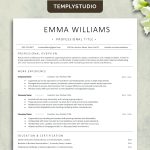
If you are still refining your layout, you can browse the CV template collection and then export or save the finished resume in the format required for each application.
Official References
- Microsoft Support: Save or convert to PDF or XPS in Office Desktop apps
- CareerOneStop: Resume Guide—Formatting
Temply Studio
Stop chasing your goals with sticky notes and scattered notebooks. Our premium digital planners and Canva templates are designed to help you plan with intention, stay consistent, and actually enjoy the process.
Questions about this guide?
Ask about the planner, share how you use it, or tell us what to cover next. Your email stays private.